

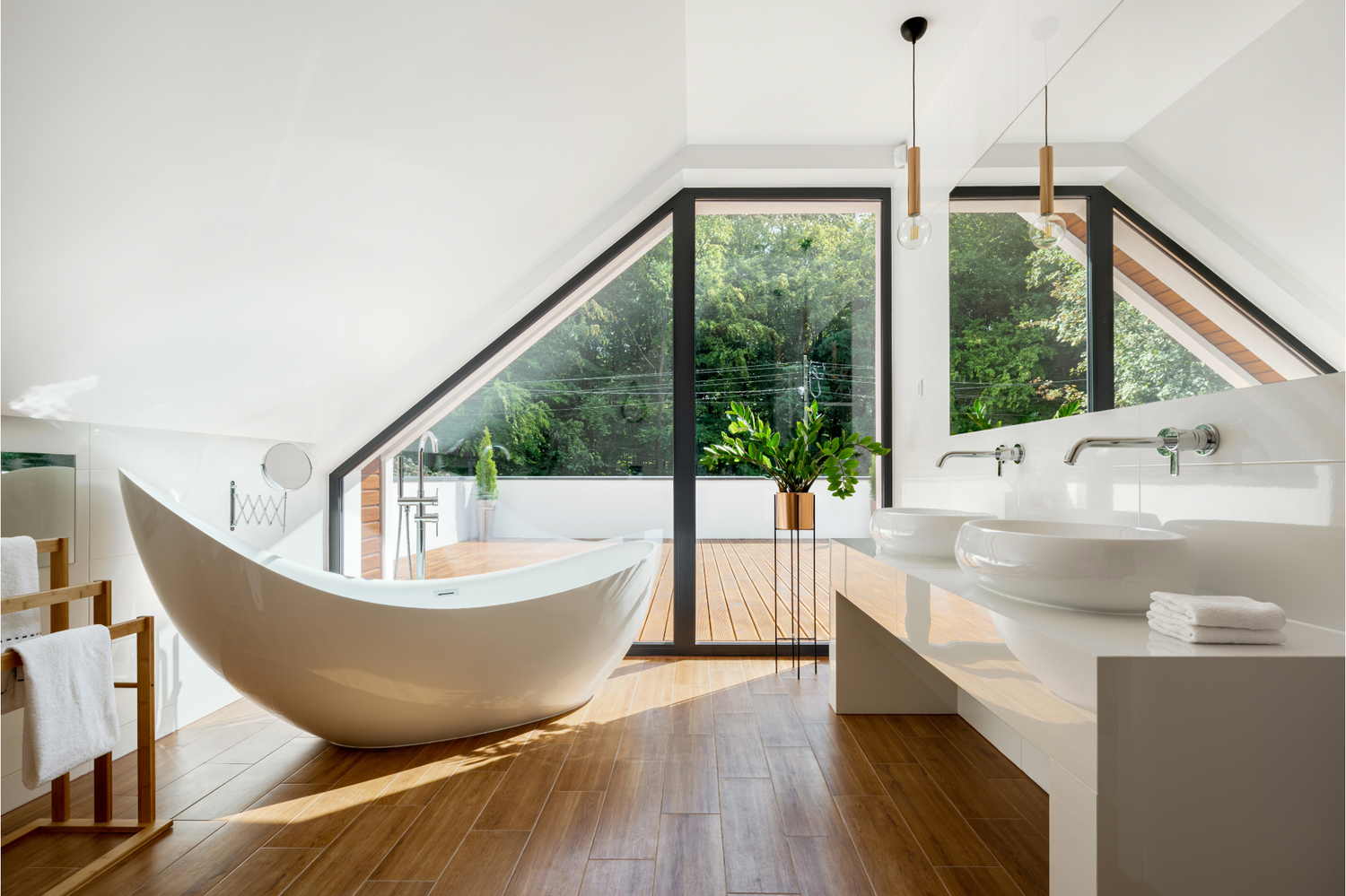
Fall has always been a natural season for rethinking the home. As New Yorkers return from summer travel and prepare to spend more time indoors, kitchens, bathrooms, and everyday living spaces come back into focus. For Fall 2026, luxury renovation is moving beyond purely decorative upgrades. Homeowners and designers are investing in architectural fixtures, integrated technology, personalized wellness, and premium hardware that improves how a home functions.
These priorities are especially relevant in Manhattan high-rise apartments, where every square foot needs to perform. The latest industry research points toward intelligent kitchens, wellness-centered bathrooms, natural materials, integrated appliances, and personalized spaces designed for long-term use.
The National Kitchen & Bath Association’s 2026 Kitchen Trends Report also highlights increasing demand for smart technology, high-end convenience, multifunctional layouts, and healthier living. Here are seven luxury home renovation trends shaping New York interiors this fall.

1. The Bathroom Becomes a Private Wellness Suite
The spa-inspired bathroom is evolving into a complete in-home wellness environment. Instead of relying on decorative cues alone, homeowners are integrating features that create a more immersive daily experience: steam, chromotherapy, aromatherapy, heated surfaces, sophisticated shower controls, and sculptural soaking tubs.
A Mr. Steam system can transform a properly enclosed shower into a private steam room without requiring the footprint of a conventional sauna. Mr. Steam generators, iSteamX and TempoFlex controls, Linear Steamheads, AutoFlush systems, and wellness accessories can be specified together to support steam, aroma, colored lighting, music, and connected operation. This makes steam particularly appealing for luxury apartments, where one enclosed shower can provide multiple functions within a relatively compact space.
The visual side of the wellness trend is equally important. MTI Baths and Acquabella offer freestanding tubs, shower bases, sinks, and bath fixtures with clean architectural profiles. For Fall 2026, expect warmer whites, mineral-inspired neutrals, matte surfaces, and softly rounded forms to replace the stark, clinical bathrooms of years past. The result feels closer to a private hotel spa than a conventional residential bath.

2. Smart Toilets Become a New Standard in Luxury Bathrooms
Technology is becoming more integrated into the bathroom, but the emphasis has shifted from novelty to quiet, practical performance. The most successful smart fixtures do not make a room feel overly technical. Instead, they automate everyday functions while maintaining a streamlined appearance.
TOTO Japanese smart toilets exemplify this direction. Depending on the model, TOTO smart toilets and WASHLET systems may incorporate bidet cleansing, adjustable water temperature and pressure, heated seating, warm-air drying, automatic flushing, deodorizing, premist functions, night lights, and hands-free lids. Integrated models conceal much of this technology within a unified silhouette.
For a New York City primary bathroom or luxury powder room, a wall-hung or streamlined smart toilet can also contribute to a cleaner architectural layout. Floor space appears more open, cleaning becomes easier, and plumbing fixtures feel deliberately integrated into the overall design. In Fall 2026, smart bathroom technology is less about adding visible screens and more about making the room intuitive, hygienic, and comfortable.

3. Kitchens Shift from Open Concept to High-Performance Social Hubs
Open kitchens remain important in luxury apartments, but the focus is changing. Rather than creating one large, visually empty room, designers are organizing kitchens into purposeful work zones for preparation, cooking, serving, beverages, and entertaining. The goal is to maintain visual continuity with the living area while giving serious cooks the functionality of a professional workspace.
The Galley Kitchen Workstations addresse this shift by turning the kitchen sink into a complete culinary workstation. Its multi-tier Workstations support sliding cutting boards, colanders, bowls, drying racks, serving boards, chef’s blocks, and other tools. Food can be washed, cut, mixed, plated, served, and cleared within the same organized zone.
This approach is particularly valuable in luxury high-rise apartments, where a kitchen island may need to function as a prep station during the day and an entertaining surface in the evening. The Galley Workstation can contain much of the activity within the basin and then transition into a serving or gathering area. Coordinating WashStations, BarStations, DryDocks, Ideal Taps, and culinary accessories make it possible to build a system around the homeowner’s cooking habits and available space.

4. “Quiet Technology” Replaces Countertop Clutter
Fall 2026 kitchens are becoming more technologically advanced while looking less like technology showrooms. Appliances are concealed behind cabinetry, charging is integrated into millwork, and specialized functions are consolidated into fewer fixtures. This emerging “quiet technology” approach uses innovation to simplify a room rather than visually dominate it.
Zip Water taps fit naturally into this trend. Depending on the selected HydroTap configuration, a single fixture can dispense filtered boiling, chilled, and sparkling water. The Zip HydroTap Celsius All-in-One can also combine these functions with conventional hot and cold water, allowing it to serve as the primary kitchen faucet.
For compact luxury kitchens, this consolidation can eliminate countertop kettles, filtered-water pitchers, bottled water, and stored cans of sparkling water. It also creates a dedicated beverage experience suitable for coffee, tea, cooking, hydration, and entertaining. The visible fixture remains refined and minimal while the filtration, heating, chilling, and carbonation equipment is housed below the counter.
The key is planning early. Cabinet space, ventilation, electrical access, filtration components, and CO2 storage should be coordinated before millwork is finalized.

5. Hardware Takes on the Role of Architectural Jewelry
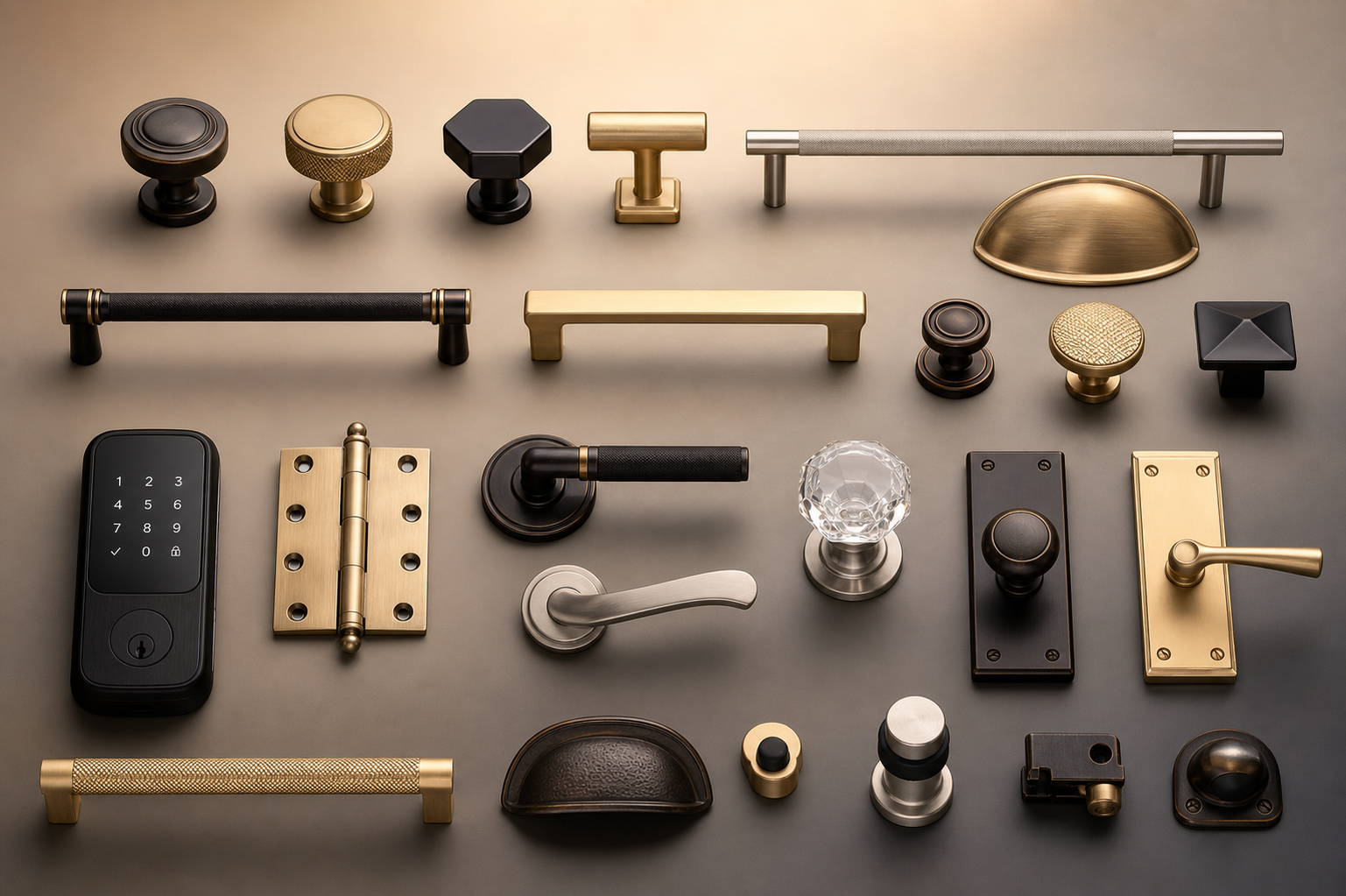
After years of highly uniform matte-black fixtures and simple bar pulls, luxury interiors are returning to hardware with depth, proportion, and personality. Antique brass, aged bronze, polished nickel, mixed metals, textured surfaces, and sculptural forms are replacing one-finish-fits-all specifications. Designers are treating the objects people touch every day as an important part of the architecture.
Emtek door hardware gives designers considerable freedom to assemble knobs, levers, rosettes, sideplates, entry sets, and lock functions around a project’s specific aesthetic. Solid brass, bronze, stainless steel, crystal, and porcelain options allow the hardware to complement both contemporary apartments and prewar interiors.
In a high-rise renovation, consistency does not necessarily mean using the identical piece on every door. A better approach may be to establish a coordinated finish and design language, then vary the hardware according to function. Privacy levers can be used in bedrooms and bathrooms, passage sets in closets and shared rooms, and statement entry hardware at the apartment’s primary door.
Unlacquered brass and living finishes are particularly relevant to the warmer, more tactile interiors of Fall 2026. Their evolving patina gives a home a sense of permanence and character that factory-perfect surfaces cannot always replicate.

6. Faucets Become Sculptural Focal Points
As cabinetry and stonework become more streamlined, faucets are taking on a larger visual role. They provide a point of contrast, reflect light, introduce curvature, and give homeowners an opportunity to express individual taste without overwhelming the room.
Newport Brass offers kitchen and bathroom faucets, shower systems, tub fillers, and accessories across traditional, transitional, and modern design languages. This breadth is useful in New York renovations, where designers frequently need to balance contemporary interventions with an apartment’s original architectural character.
For Fall 2026, polished nickel and chrome are returning as crisp counterpoints to walnut, white oak, richly veined stone, warm plaster, and saturated color. At the same time, bronze, brass, and other warm finishes continue to complement earthy palettes and natural materials. Mixed-metal interiors are also becoming more deliberate: a kitchen might pair stainless steel appliances with a warm faucet finish, while the bathroom combines polished plumbing fixtures with darker cabinet hardware or lighting.
The most successful mix follows a hierarchy. Choose one dominant finish, repeat it across the room, and use a second metal as a controlled accent.

7. Luxury Is Defined by Personalization and Long-Term Performance
The broadest renovation trend for Fall 2026 is a move away from trend-driven sameness. Luxury homeowners are looking for products that can be configured around their space, routines, and design preferences. They also want fixtures that feel substantial, can be maintained, and will remain relevant beyond a single design cycle.
This shift favors complete systems over isolated products:
- A Mr. Steam generator is coordinated with the correct control, steamhead, and maintenance accessories.
- An MTI Acquabella bath fixture is selected around the room’s architecture and intended bathing experience.
- The Galley Culinary Kitchen Workstation is configured with tools that reflect how the homeowner cooks and entertains.
- A Zip Water tap system is matched to the desired boiling, chilled, and sparkling-water functions.
- A TOTO smart toilet is chosen according to its comfort, cleansing, automation, and installation features.
- Emtek door hardware is assembled around the correct door functions and design details.
- Newport Brass plumbing fixtures are carried through the bathroom or kitchen in a considered finish palette.
This systems-based approach is especially important in luxury apartment renovations. Plumbing locations, electrical requirements, mechanical access, cabinet clearances, and building approvals can all affect what is possible. Selecting the major fixtures early helps architects, designers, contractors, plumbers, electricians, and millworkers coordinate their work before walls are closed and custom cabinetry enters production.

Planning a Luxury New York Renovation for Fall 2026?
The strongest Fall 2026 interiors combine warmth, technology, wellness, and utility without allowing any one element to overpower the space. A steam shower can be sophisticated without feeling like a commercial spa. A smart toilet can improve comfort without making the bathroom look futuristic. A culinary workstation or filtered-water system can add substantial function while leaving the kitchen visually calm.
Focal Point Hardware works with homeowners, interior designers, architects, builders, and trade professionals to specify luxury plumbing fixtures, kitchen systems, door hardware, and wellness products for New York City apartments and homes beyond the city. Explore these collections online or visit Focal Point Hardware to begin coordinating the products, finishes, rough-in components, and accessories for your Fall 2026 renovation.

Leave a comment
This site is protected by hCaptcha and the hCaptcha Privacy Policy and Terms of Service apply.